UAE · Crypto company formation
UAE Crypto Company Formation: Free Zone, Mainland, and the Licence
Dubai is the default answer when a crypto founder thinks 'offshore-friendly hub'. But 'a Dubai crypto company' is not one thing — it is a free-zone-vs-mainland choice, a which-free-zone choice, and a separate question of whether the activity needs a VARA or ADGM licence.
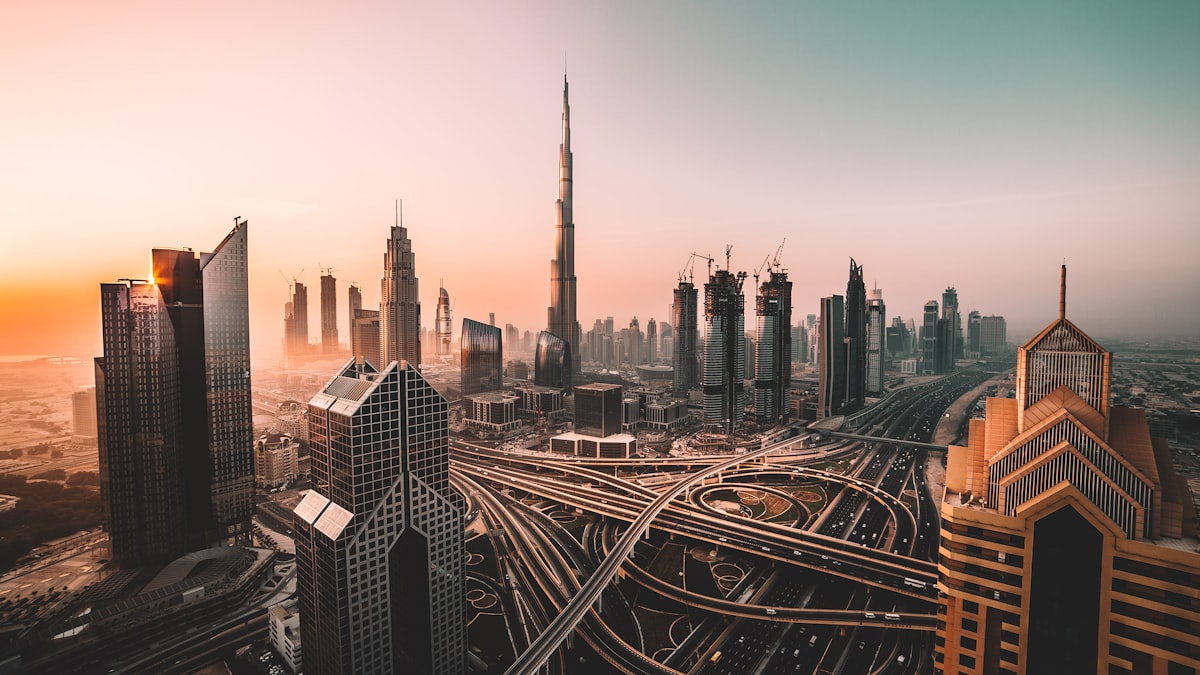
UAE crypto company formation is the process of incorporating the legal entity for a crypto business in the United Arab Emirates — typically as a free-zone company (for example a DMCC FZE or FZCO) rather than a mainland entity — which is the corporate step, distinct from obtaining a crypto-activity licence, which for regulated activities such as exchange, custody, or brokerage is granted by VARA in Dubai or by ADGM in Abu Dhabi.
Quick facts
| Parameter | Value |
|---|---|
| Primary hub | Dubai — VARA for virtual-asset activities, DMCC for free-zone crypto company formation, DIFC for common-law financial services |
| Abu Dhabi alternative | ADGM — an institutionally mature digital-assets framework active since 2018, including ADGM SPVs |
| DMCC entity types | FZE (single shareholder) or FZCO (two or more shareholders) |
| Free zone advantages | Full foreign ownership, profit and capital repatriation, faster and more digitised setup, English-language documentation |
| DMCC scope | Suitable for proprietary trading, blockchain development, NFT platforms, treasury — NOT for regulated activities |
| Regulated activities | Running an exchange, custody, or brokerage falls under VARA (Dubai) or ADGM (Abu Dhabi) — a separate licence, not a DMCC company |
| DMCC timeline | Practitioner-reported company formation in roughly two to four weeks |
“A Dubai crypto company” is not one decision
When a crypto founder says they will “set up a Dubai crypto company,” they are describing what feels like a single step. It is not. The UAE is a genuinely strong crypto hub, but a UAE setup hides at least three separate decisions — and getting them in the wrong order, or skipping the analysis, produces an entity in the wrong place for the actual business.
The three decisions: free zone or mainland; which free zone or framework; and whether the activity needs a VARA or ADGM licence on top of the company.
Free zone or mainland
Most crypto founders form a free-zone company. The free-zone route gives:
- Full foreign ownership — no local-partner requirement
- Profit and capital repatriation without restriction
- Faster, more digitised incorporation than the mainland
- English-language documentation
Mainland setup is possible and suits some specific cases, but it can trigger Emiratisation requirements, Arabic-language documentation, and a more complex administrative process. For most crypto businesses, the free zone is the default.
Which framework — DMCC, DIFC, ADGM
Within the free-zone and financial-centre landscape, the names that matter for crypto:
- DMCC (Dubai Multi Commodities Centre) — the common free zone for crypto company formation. DMCC offers two entity types: the FZE (single shareholder) and the FZCO (two or more shareholders). DMCC company formation is practitioner-reported at roughly two to four weeks.
- DIFC (Dubai International Financial Centre) — a common-law financial-services jurisdiction.
- ADGM (Abu Dhabi Global Market) — an institutionally mature digital-assets framework, active since 2018, including cost-effective ADGM SPVs with modern governance and stronger regulatory credibility.
The decision that catches founders out: company vs licence
Here is the most important distinction in a UAE crypto setup. A DMCC company is not a VARA licence.
A DMCC company is the legal entity, and it is suitable for a defined set of activities: proprietary crypto trading, blockchain development, NFT platforms, and treasury operations. A founder doing those things can operate with a DMCC company.
But regulated activities — running an exchange, providing custody, operating a brokerage — fall under VARA in Dubai or ADGM in Abu Dhabi, not under DMCC. Those activities need a separate licence on top of (or instead of) the DMCC company. A founder who forms a DMCC company and then launches an exchange on it has built the wrong structure for the activity.
| You want to… | Structure |
|---|---|
| Proprietary trading, blockchain dev, NFT platform, treasury | DMCC free-zone company (FZE / FZCO) |
| Run an exchange, custody, or brokerage | VARA licence (Dubai) or ADGM authorisation — on top of the entity |
For how the VARA regime itself works — its activity-by-activity licensing and capital structure — see MiCA vs Dubai VARA.
The EU caveat, and the tax caveat
Two things to keep honest:
Reach. A UAE company and a VARA licence authorise activity in the relevant UAE jurisdiction. They are not an EU authorisation and do not passport into the EU. A firm with EU customers needs a MiCA CASP authorisation regardless — see the crypto licensing pillar guide and the Crypto Jurisdiction Index.
Tax. Free-zone tax advantages — exemptions for qualifying income — are real but conditional. They come with increasingly detailed eligibility criteria and economic-substance requirements. A free-zone company is not an automatic 0% structure; the qualifying-income and substance conditions have to be met and maintained. Current UAE tax advice beats the headline.
Working with counsel on a UAE setup
The diagnostic for counsel: ask them to walk through all three decisions for the specific business — free zone vs mainland, which framework, and whether the activity is regulated and therefore needs a VARA or ADGM licence — and to be explicit about the economic-substance conditions. Counsel that answers “set up a DMCC company” without asking what the business actually does has skipped the analysis that decides whether DMCC is even the right place. The firms in our index with UAE and cross-border experience are listed below.
Pitfalls and nuances
1 Assuming a DMCC company can run an exchange or custody service
DMCC is a free zone for company formation. A DMCC company is suitable for proprietary crypto trading, blockchain development, NFT platforms, and treasury operations — but running a regulated activity such as an exchange, custody, or brokerage falls under VARA in Dubai or ADGM in Abu Dhabi. A DMCC licence is not a VARA licence; founders who conflate them build the wrong structure.
2 Treating 'a Dubai crypto company' as a single decision
It is at least three decisions: free zone vs mainland, which free zone or framework (DMCC, DIFC, ADGM), and whether the activity needs a VARA or ADGM licence on top of the company. Skipping the analysis and 'just setting up in Dubai' regularly produces an entity in the wrong place for the actual business.
3 Assuming a UAE setup reaches the EU
A UAE company and a VARA licence authorise activity in the relevant UAE jurisdiction. They are not an EU authorisation and do not passport into EU member states. A firm with EU customers needs a MiCA CASP authorisation regardless of any UAE structure it holds.
4 Overlooking economic-substance and qualifying-income conditions
Free-zone tax advantages — exemptions for qualifying income — come with increasingly detailed eligibility criteria and economic-substance requirements. A free-zone company is not an automatic 0% structure; the substance and qualifying-income conditions have to be met and maintained. Take current UAE tax advice rather than relying on the headline.
Frequently asked questions
Where do you form a crypto company in the UAE?
Most crypto founders form a free-zone company — Dubai's DMCC is the common choice for company formation, with DIFC for financial services and ADGM in Abu Dhabi as the institutional alternative.
What is the difference between a DMCC company and a VARA licence?
A DMCC company is the legal entity. A VARA licence authorises a regulated virtual-asset activity. DMCC suits proprietary trading and blockchain development; an exchange, custody, or brokerage needs a VARA or ADGM licence.
What entity types does DMCC offer?
An FZE — a free-zone establishment with a single shareholder — or an FZCO, a free-zone company with two or more shareholders. The choice follows the ownership structure of the business.
Why choose a free zone over mainland in the UAE?
Free-zone entities give full foreign ownership, unrestricted profit and capital repatriation, faster and more digitised setup, and English-language documentation. Mainland setup can trigger Emiratisation requirements and Arabic-language documentation.
Get matched
Working through a crypto-licensing decision?
Get an editorial shortlist of firms matched to your business — customer market, model, jurisdiction, and stage. Free, and not influenced by sponsorship.
Get a firm shortlist →Sources cited
- VARA — Virtual Assets Regulatory Authority, Dubai — regulator
- DMCC — Dubai Multi Commodities Centre free zone — official document
- ADGM — Abu Dhabi Global Market — regulator
- MiCA vs Dubai VARA — EU and UAE crypto regulation compared — industry publication